Bluff geology
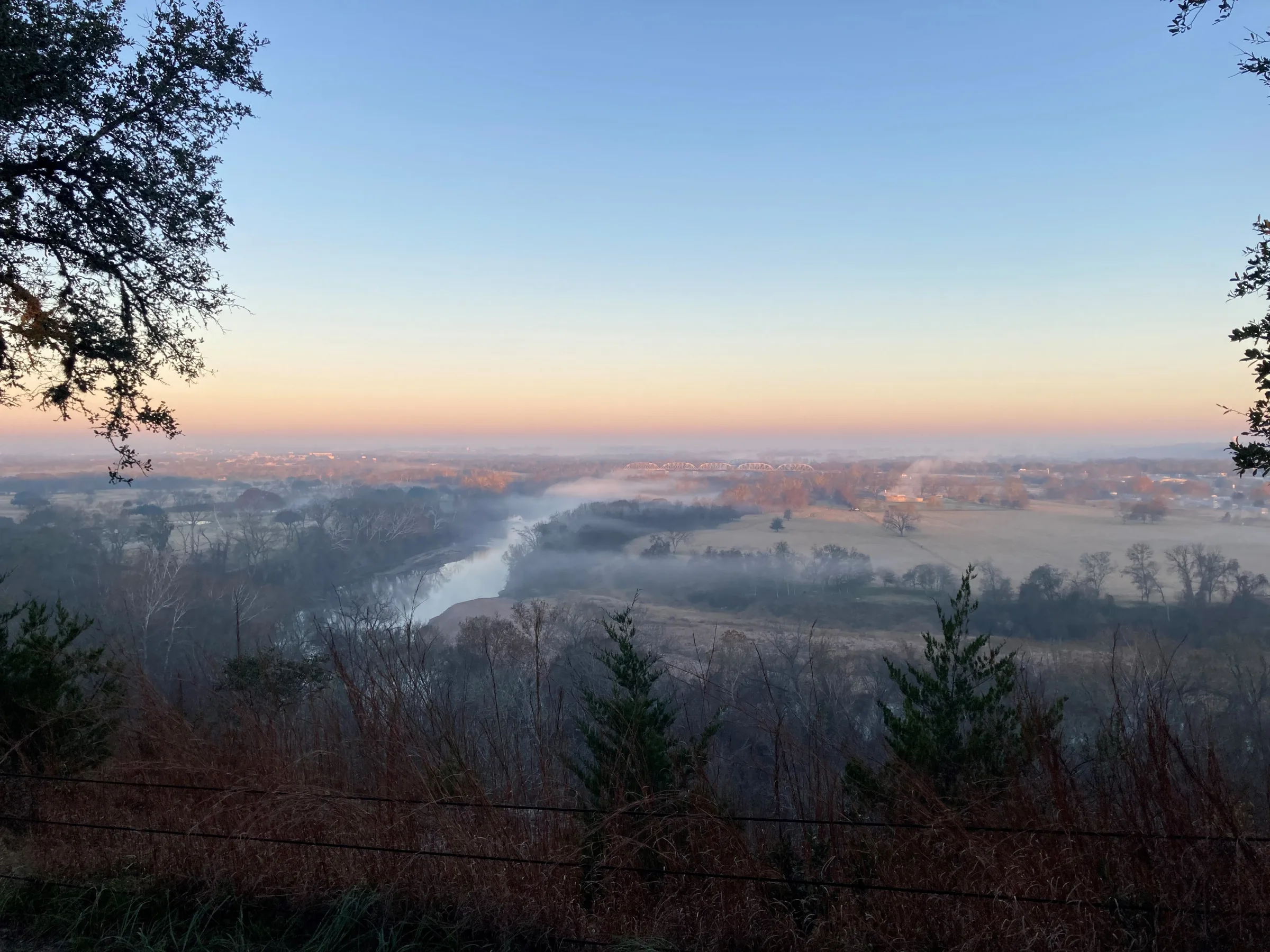
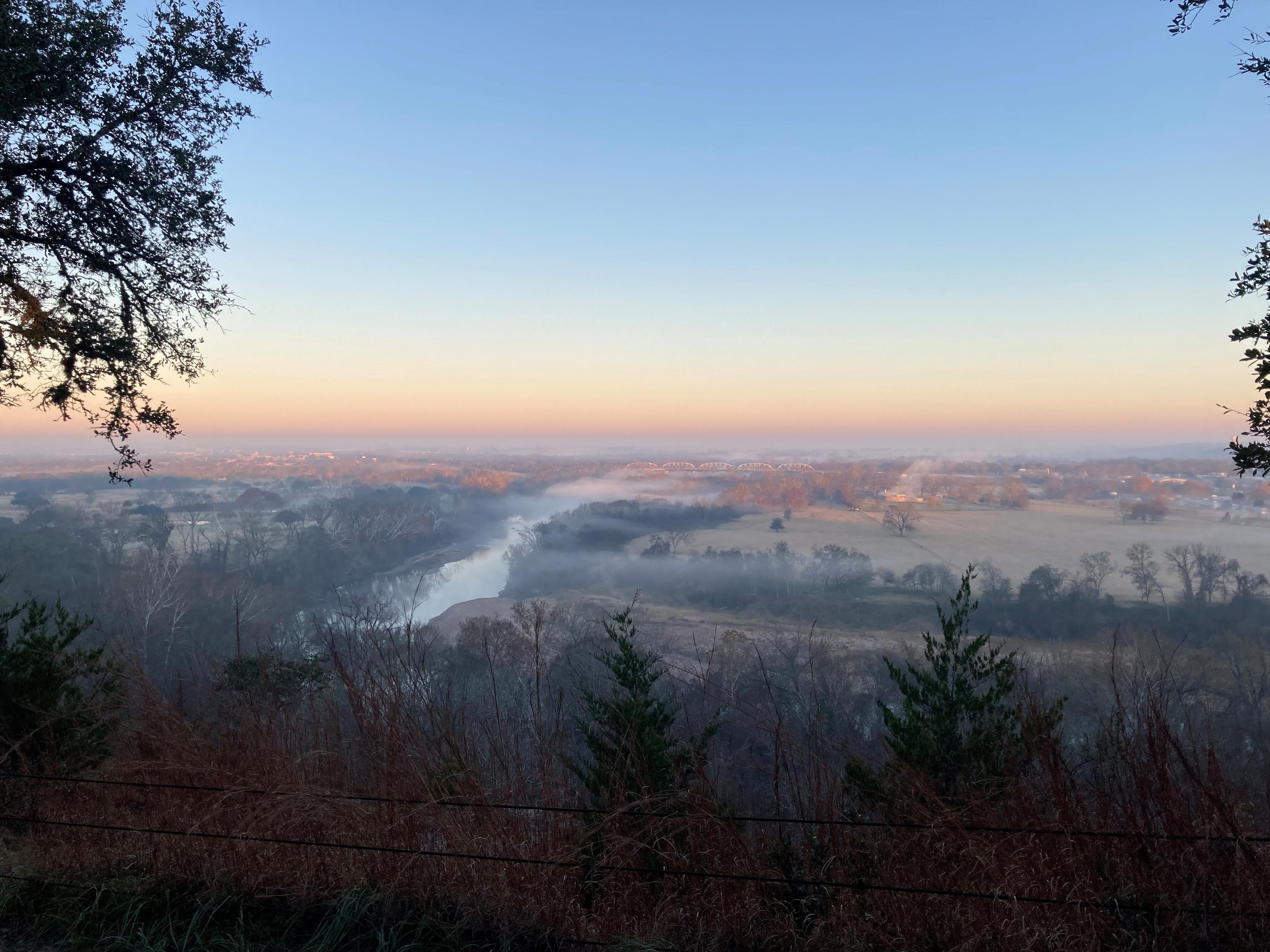
The Bluff Overlook reveals the Oakville Escarpment, a sandstone and clay formation shaped by long erosion.
Visit the historic sites
Walk the Bluff through overlooks, prairie, forest, wildlife, native plants, river views, and the trails that tie the site together.
Why visit
The Bluff Overlook reveals the Oakville Escarpment, a sandstone and clay formation shaped by long erosion.
Nature Loop, Kreische Stairway Trail, and Schulenburg Ferry Trail connect prairie, forest, overlooks, and historic features.
Birds, lizards, deer signs, prairie grasses, oaks, vines, and shade-tolerant plants make this a living site.
Story / History
The trails and overlook remind visitors that the historic site is also a living outdoor landscape. Walking gives the story room: memorial, house, ruins, plants, wildlife, and views all belong to the same experience.
At the Bluff Overlook, the nature guide points to the Oakville Escarpment, a layered sandstone-and-clay formation shaped by erosion. The guide also notes that the bluff influenced a major bend in the Colorado River and was historically known as Kreische's Bluff.
The trail system moves through more than one habitat. The Historic and Scenic Bluff Area, Colorado River Overlook, Brewery Overlook, forest area, Kreische bridges and trails, prairie area, and Nature Loop each invite a different kind of noticing: geology, river history, vines, ravines, wildlife water sources, little bluestem, birds, tracks, and seasonal change.
What you will see
Visitor tips
Related Resources
Browse Resources for trail maps, bird checklists, scavenger hunts, safety tips, nature guides, and accessibility notes as they are published.
Related Journal
Journal can eventually carry seasonal observations, birding notes, preservation updates, and stories about the landscape.
Continue into the family-friendly spaces that help visitors enjoy the historic site together.
Return to the ruins and connect the landscape back to industry, craft, and preservation.