Play and reset
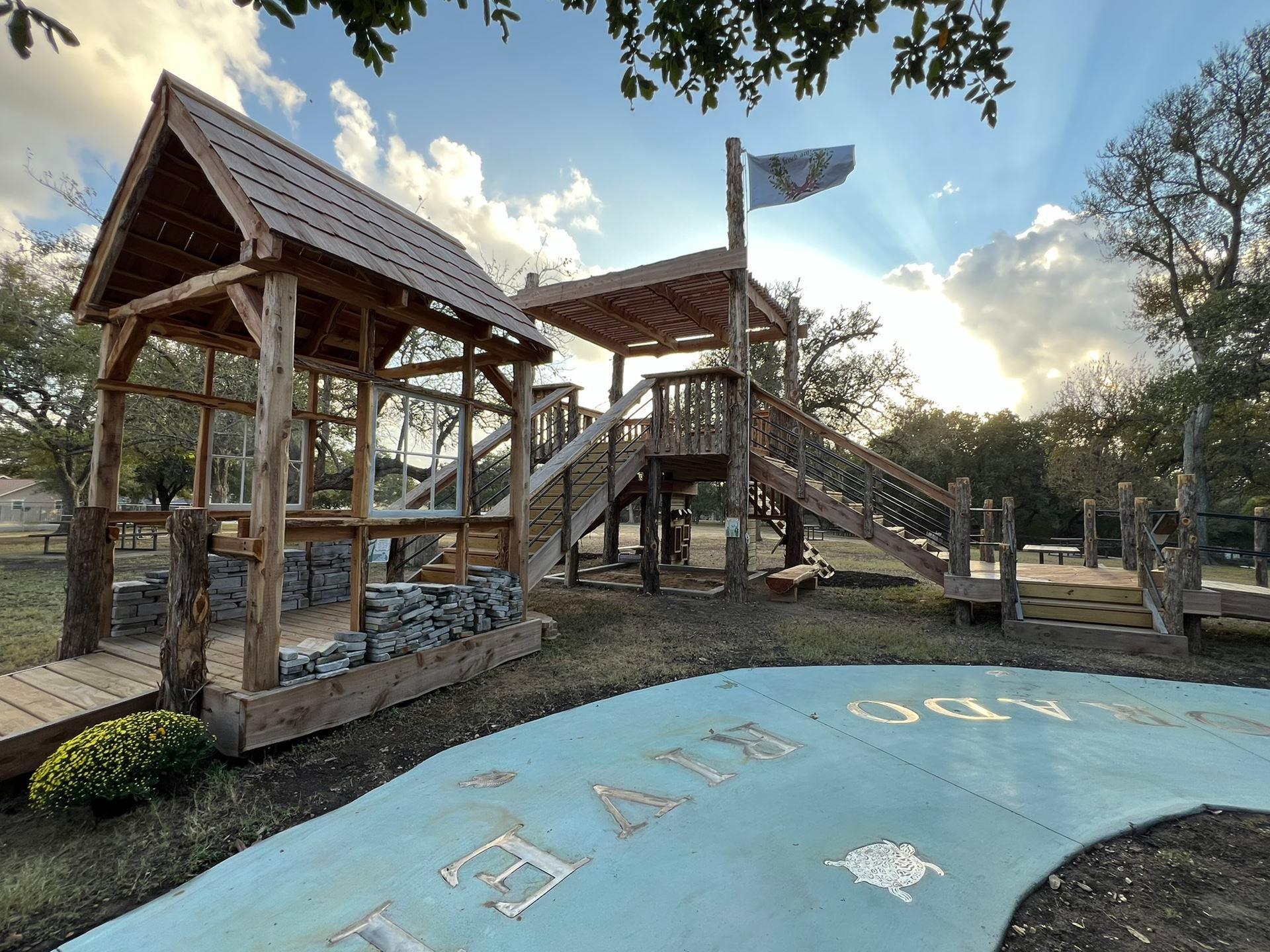
Outdoor play, open space, and picnic pacing help younger visitors stay curious without turning the day into a lecture.
Visit the historic sites
Make space for play, picnic time, scavenger hunts, wildlife watching, outdoor learning, and enjoying the historic site together.
Why visit
Outdoor play, open space, and picnic pacing help younger visitors stay curious without turning the day into a lecture.
The nature guide encourages looking for tracks, birds, flowers, insects, lizards, greenbrier, ball moss, and signs of deer.
Family exploration works best when everyone stays on trails, leaves discoveries in place, and respects the historic landscape.
Story / History
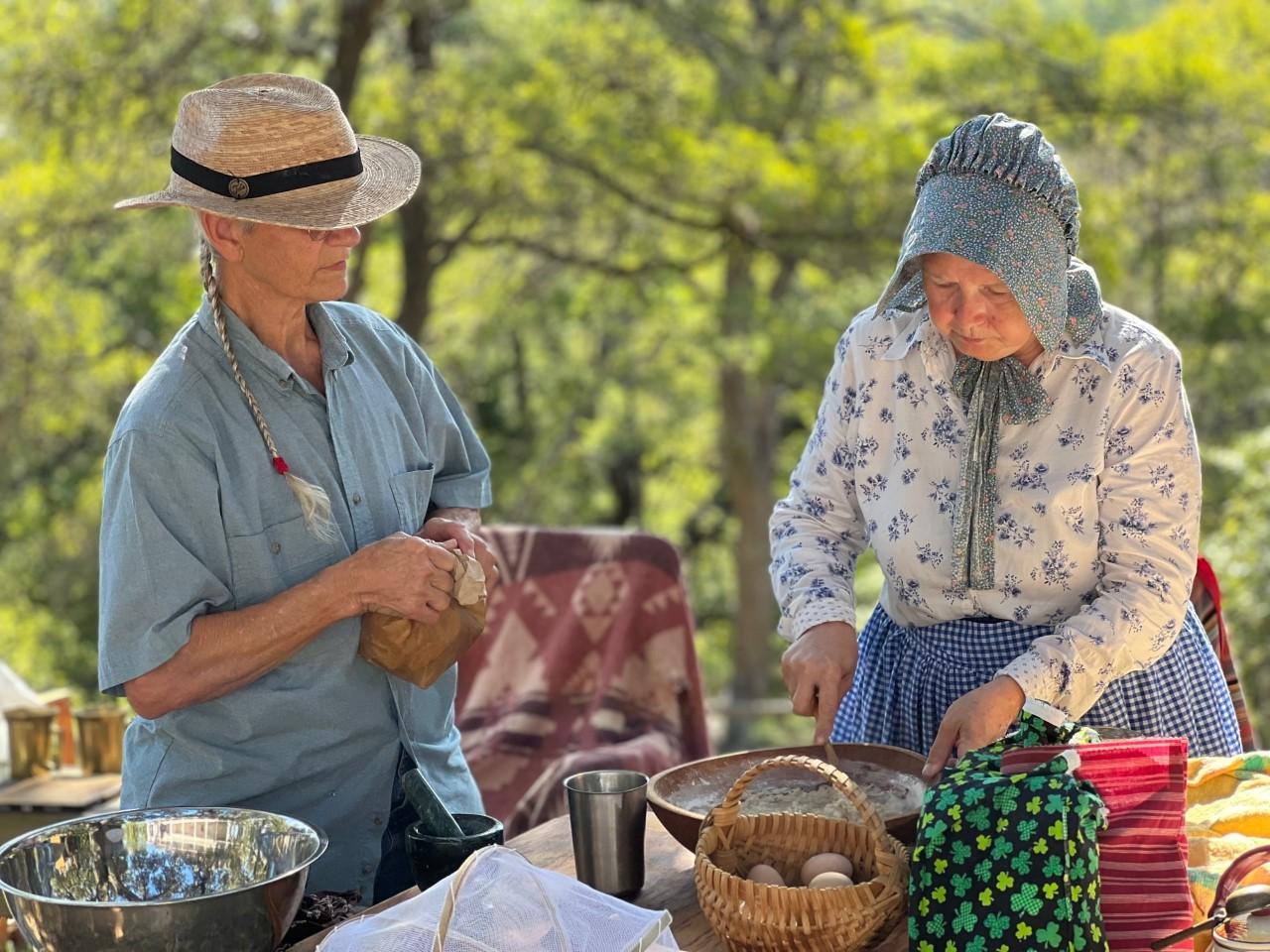
Family recreation does not compete with the historic story. It helps visitors spend enough time on the grounds to connect with the memorial, house, ruins, trails, and landscape at a human pace.
The site nature guide turns outdoor time into a simple learning activity. It suggests a scavenger hunt where visitors look for things like ball moss, prickly pear cactus, animal tracks, cardinals, bird nests, spider webs, insects, flowers, and signs that people have used the trail.
The key instruction is gentle but important: do not gather the items. See them, name them, talk about them, and leave them where they belong. That makes family recreation part of stewardship.
What you will see
Visitor tips
Related Resources
Browse Resources for scavenger hunts, bird checklists, family visit tips, accessibility notes, maps, and safety guidance as they are published.
Related Journal
Journal can later feature education programs, volunteer stories, nature observations, and family-friendly event recaps.
Return to the first guide when your group is ready for the reflective heart of the site.
Return to the landscape guide and connect family time with walking, views, and stewardship.