Spring-fed industry
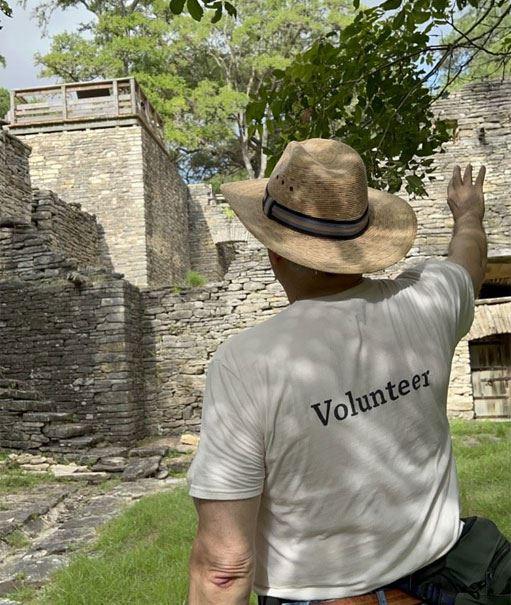
The brewery sat in a valley below a springhead, where Kreische could use the landscape and flowing water in his brewing process.
Visit the historic sites
Follow the limestone ruins into a spring-fed story of brewing, German immigration, Texas industry, water, and preservation.
Why visit
The brewery sat in a valley below a springhead, where Kreische could use the landscape and flowing water in his brewing process.
The ruins connect Heinrich Kreische's German immigrant story with local brewing, community gathering, and Texas industry.
The brewery overlooks are also nature stops, with greenbrier, mustang grape, yaupon, and eastern redcedar nearby.
Story / History
The brewery ruins broaden the visit from home and memorial into work, enterprise, and German-Texan heritage. The nature guide describes the brewery as operating through the 1870s and early 1880s, located in a valley with a springhead above it.
That setting matters. Kreische used the landscape to move water through the brewery, tying the building to slope, spring, and stone rather than treating it as a stand-alone industrial site. Secondary background sources describe the brewery as part of Heinrich Kreische's larger life as a stonemason, brewer, landowner, and community figure.
The Brewery Overlook and nearby lower areas also reward careful looking. Greenbrier and mustang grape climb through the vegetation, while yaupon and eastern redcedar help visitors see how ruins and habitat occupy the same landscape.
What you will see
Visitor tips
Related Resources
Resources can later support this guide with interpretive handouts, preservation notes, water-and-landscape diagrams, and visitor maps.
Related Journal
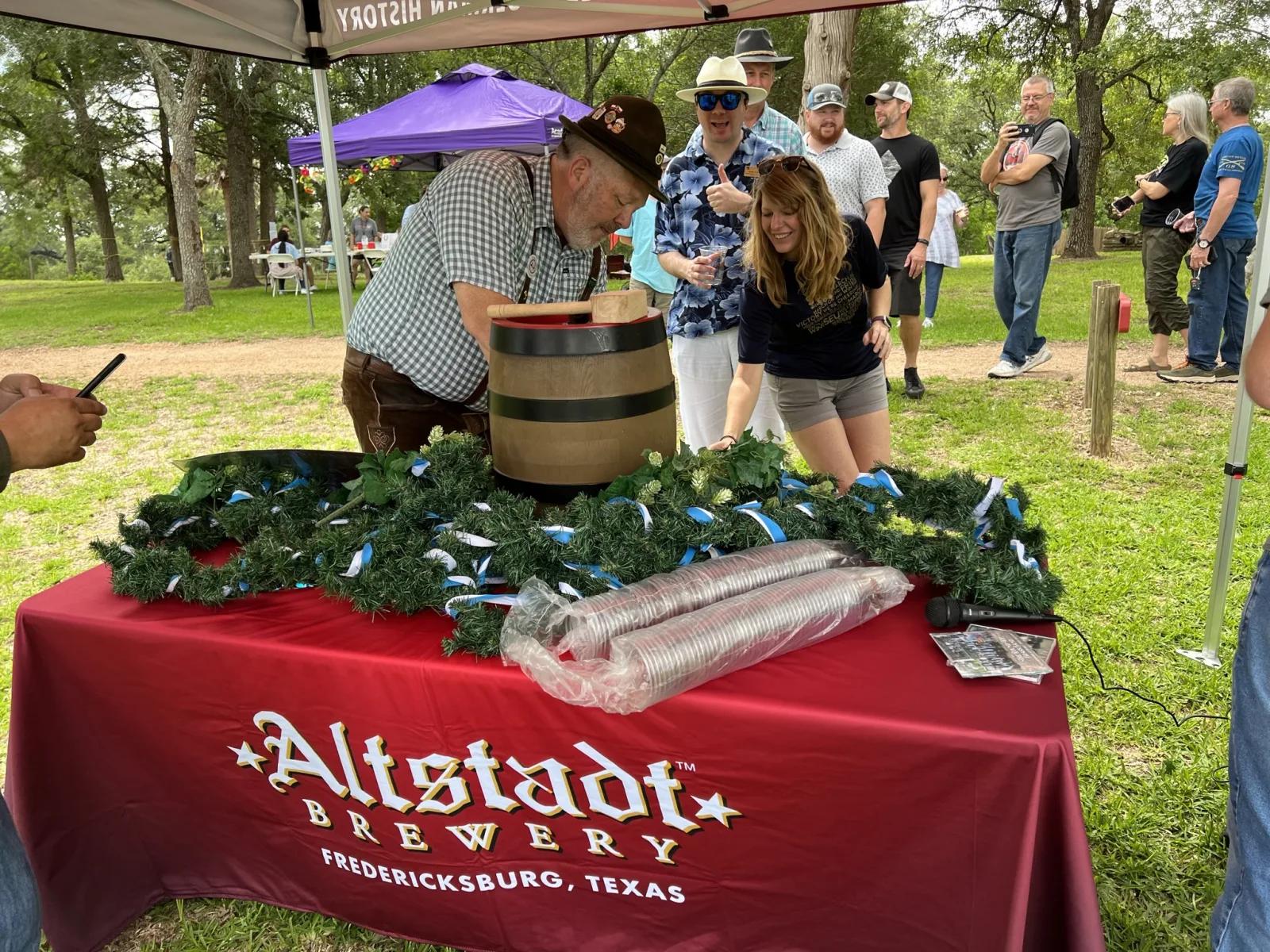
Journal can deepen the brewery story with food history, research notes, preservation updates, and Bluff SchuetzenFest context.
Move from the ruins into the landscape and views that make the Bluff feel expansive.
Return to the house guide and connect industry back to home, family, and craftsmanship.